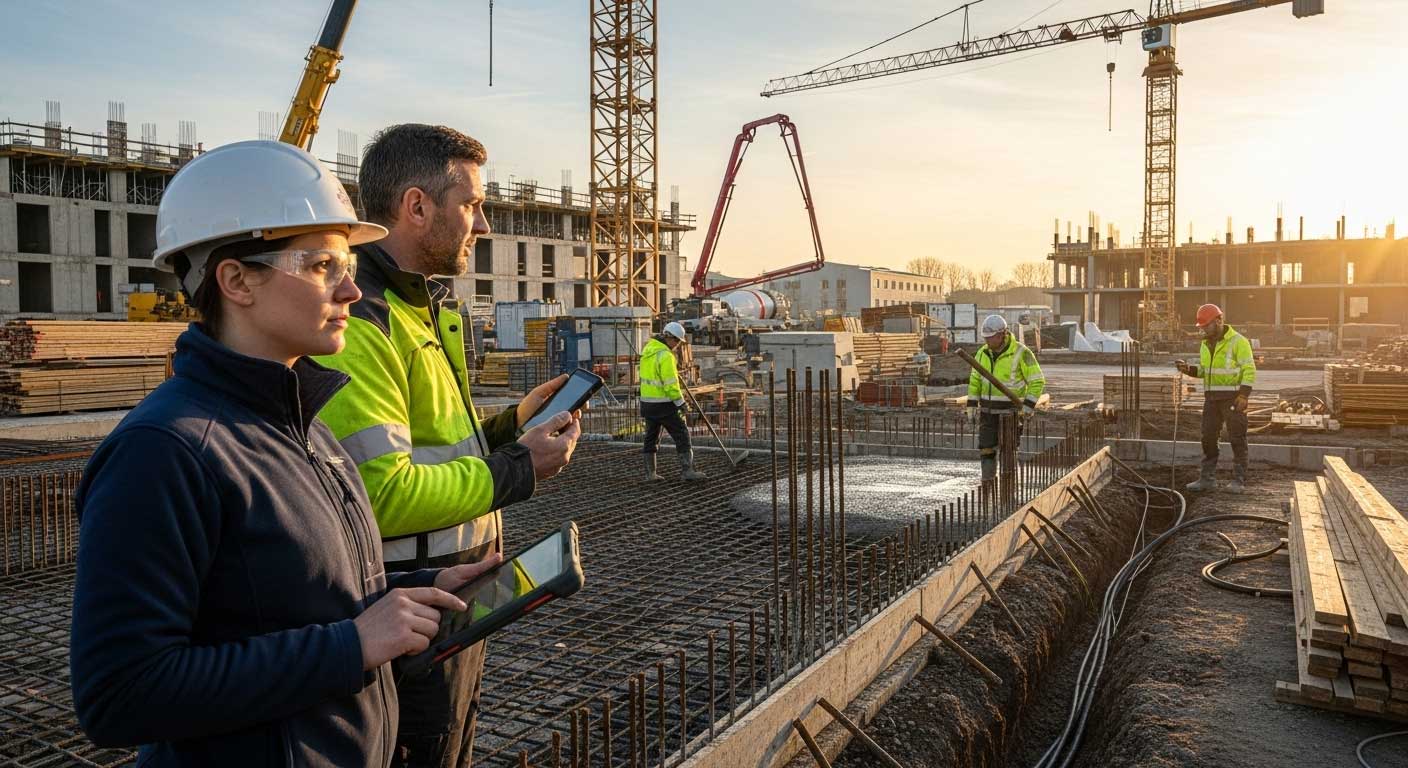
Comprehensive project cost overview: How to optimize work, inventory, and analytics in construction.

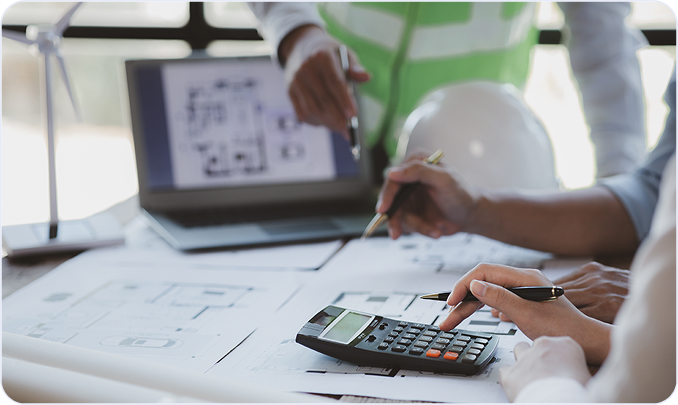
In construction, every project consists of countless moving parts – employee teams, materials, machinery, vehicles, and subcontractors. It often happens that a company has good oversight of one segment (for example, employees), but loses track in another (inventory, rentals, vehicle costs). The result? Projects become more expensive, deadlines get pushed back, and the company loses track of its real costs.
That’s why having a comprehensive project cost overview is one of the key foundations of a successful and sustainable construction company. Digitalization with the Relay Plan application makes it possible to gather all data – from employee hours and material movements to service and vehicle costs – in one place, directly linked to the project.
Why is project cost tracking so important?
- Better budget control – the company immediately sees whether the project remains within the agreed costs.
- Fewer surprises – real-time cost monitoring enables quick action before it’s too late.
- Greater transparency for clients – clear reports increase trust and long-term partnerships.
- Work optimization – management can see where hours and resources are being wasted.
- Stronger foundation for future projects – real data helps create more accurate proposals.
How Relay Plan provides a complete cost overview
- Employee work
Every employee hour can be tied directly to a project. This makes it immediately clear how much time and labor cost has been invested. - Inventory and materials
Every item issued from the warehouse can be written off directly to a project or cost center. This ensures complete control over consumption. - Vehicle and machinery costs
Relay Plan allows vehicle costs such as registrations, insurance, fuel, and servicing to be assigned directly to the project where they were used. - Subcontractors
The company can enter subcontractor costs and link them to a project, making it easy to compare in-house work versus outsourcing. - Analytics and reports
Real-time reports are generated showing total costs, broken down by categories (labor, materials, vehicles, subcontractors). Management always has a complete picture for quick decision-making.
Real-world example
A construction company with more than 20 simultaneous projects struggled because costs were only gathered at the end of each month. Project managers had no real-time visibility, so budget overruns were discovered too late.
After implementing Relay Plan, they began linking all costs (hours, materials, vehicles) directly to projects. The result:
- Project managers tracked consumption in real time.
- Warehouse staff wrote off materials to the correct construction site immediately.
- Accounting had accurate, ready-to-use data for billing and analysis.
- The company reduced unnecessary costs by 12% in the first year alone.
Cost control as a foundation for growth
Project cost tracking is not just an administrative tool but a strategic advantage. A company with precise cost visibility can:
- create more competitive proposals,
- plan future investments more easily,
- reduce waste and optimize processes,
- achieve more stable growth without unnecessary risks.
Conclusion
In construction, every euro and every hour counts. Digitalizing cost tracking with the Relay Plan application gives companies a complete project overview – from employee hours and material movements to vehicle and subcontractor costs. Only with this kind of visibility can companies build efficiently, safely, and sustainably for the future.
Not enough?
Request an agent!
Our agent will give you a live demonstration of the system and show how you can simplify work and save time and costs.
Order now
Keep reading
All blog posts