Control costs

Live job costing from labour, materials and machines.

Manage teams

Plan people, hours and schedules in one place.

Track materials

Know exactly what you own and where it is.

Run projects

One system from kickoff to closeout.

Not sure where to start?

See the whole platform mapped to your day-to-day in a 20-minute walkthrough.

Enterprise demo account

A test environment configured around your own processes, available on request.

SolutionsProjects & cost centres
Projects module

Know what every project really costs, while you can still
act on it.

RelayPlan Projects brings budgets, cost centres, labour hours and material consumption into one live view, so construction and field-service firms see true job cost as the work happens — not weeks after the invoice.

Set up in minutesWorks with all modules

Why teams run their projects on RelayPlan

Most construction software tells you what a job cost after it's finished. RelayPlan is built around one idea: cost information is only useful while you can still do something about it.

Live job costing

Labour hours, materials and machine use post to the project the moment they happen. Your cost picture is hours old, not weeks.

Cost centres that mirror the job

Break any project into phases, trades or sites. Every hour and every material issue lands on the right cost centre automatically.

Margins you can defend

Compare budget to actuals per cost centre and see margin forming in real time — before overruns become write-offs.

One truth for the whole team

Office and site look at the same numbers. No parallel spreadsheets, no "which version is right" at the Monday meeting.

What is a cost centre
and why your projects need them

A cost centre is a bucket you assign costs to: a project phase, a trade, a building section, a site. Instead of one blurry total per project, cost centres tell you where money is going — that the electrical rough-in is on budget while the façade is quietly running 18% over.

In RelayPlan, cost centres are the backbone of the whole platform. Field hours logged in Time tracking, materials issued from the Warehouse, purchase orders and machine time — everything carries a cost centre. That's what makes real job costing possible without anyone typing data twice.

The result: estimates for the next bid are built on real numbers from the last job, not gut feeling. Firms that cost by centre consistently bid tighter and win more work at better margins.

Construction site with crane
Typical cost centre structures

By phase (groundwork → structure → finishing) · by trade (electrical, plumbing, HVAC) · by location (Building A / B, floors) · by type (labour, materials, subcontractors, equipment) — or any mix. RelayPlan doesn't force a structure on you.

Everything the Projects module does

From setting the budget to closing the job — every capability in one place.

Budget documents and calculator

Budgets & cost centres

Structure any job into the cost centres that match how you actually run it — phases, trades, sites or cost types. Give each centre its own budget in money, hours or both.

Unlimited cost centres, nested as deep as you need
Budgets in currency, hours or quantities
Restructure mid-project — history follows
Carpenter cutting timber on a construction site

Live job costing

Every hour logged in the field, every material issued and every order received posts to its cost centre the moment it happens. No exports, no re-typing, no month-end wait.

Labour, material, machine and order costs in one total
Actuals update within minutes of the work
Drill from project total to the single entry
Site supervisors in hard hats reviewing progress on a construction deck

Budget vs. actuals

See planned against spent for every cost centre, with variance highlighted while there is still time to react. Overruns surface as they form — not in the final invoice review.

Colour-coded variance per cost centre
Committed costs included, so nothing hides in open orders
Margin forming in real time across the portfolio
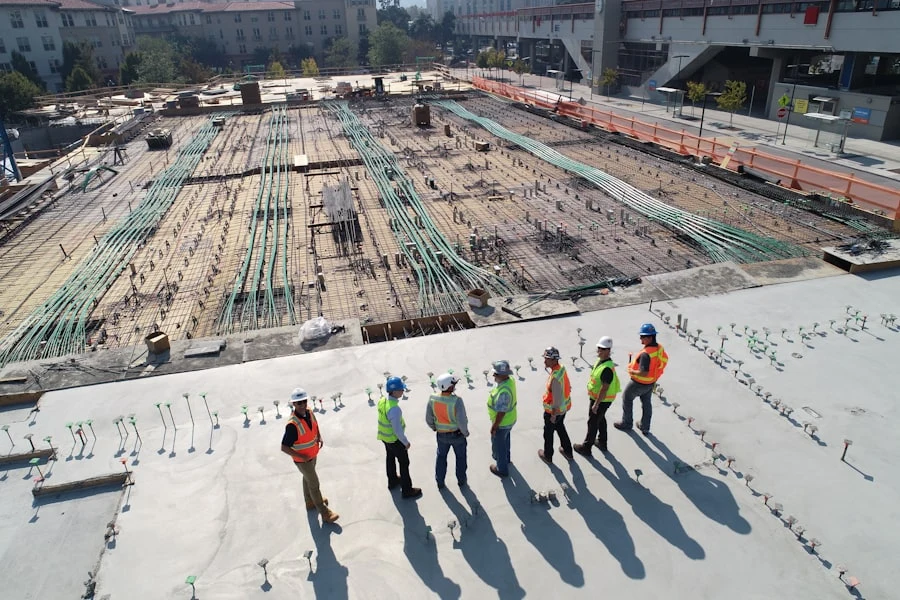
Aerial view of a construction site with the crew on the slab

Documents & history

Contracts, drawings, permits and site photos live on the project itself, next to the numbers. When a job closes, its full cost history stays searchable for your next estimate.

Files attached to projects and cost centres
Full audit trail of who booked what, when
Closed-job history feeds sharper bids
Construction crew in hard hats working together on site

Team & access

Everyone sees the project through their own lens: site leads see crews and tasks, the office sees costs and documents, management sees margins. Permissions decide who sees numbers.

Role-based access down to cost visibility
Site and office work from the same live data
Responsibility per project and cost centre
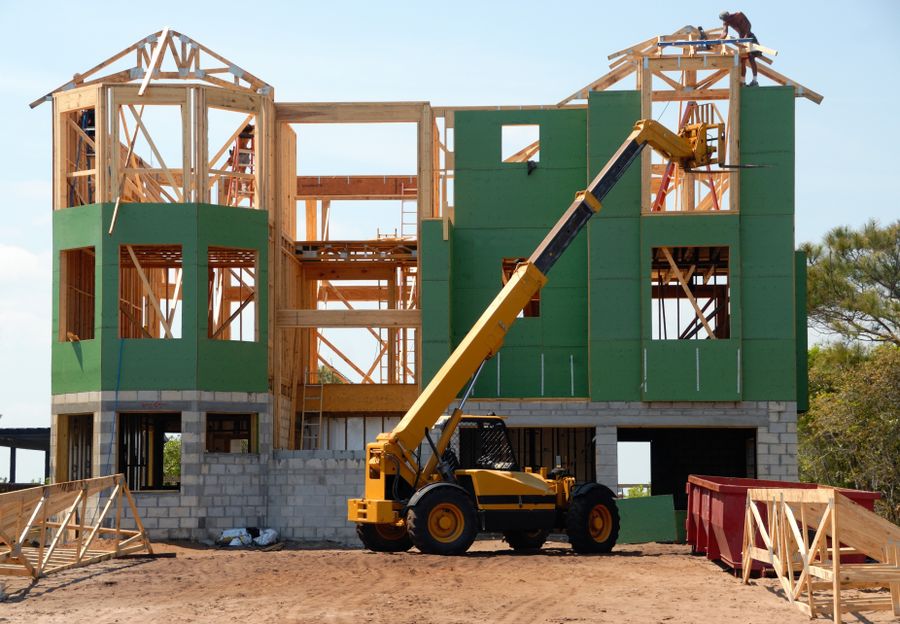
Timber-frame building under construction with a crane

Reporting & export

Portfolio overviews across all running jobs, cost breakdowns by type, and per-centre detail — all exportable to Excel or CSV for your accountant in a click.

Portfolio view across every running project
Breakdowns by cost type, centre or period
One-click Excel / CSV export

From new project to closed job in four steps

No consultants, no data-entry marathon. A project is live in minutes.

01
Create the project

Name, client, dates, responsible people. Attach contracts and drawings so everything lives in one place.

02
Set cost centres & budget

Split the job the way you think about it and give each centre a budget — money, hours, or both.

03
Work flows in by itself

Crews log hours, the warehouse issues materials, orders arrive — every entry lands on its cost centre automatically.

04
Steer and close

Watch actuals against budget, act on overruns early, and close the job with a cost history your next bid can trust.

100%
of costs tied to a cost centre
−18%
typical budget overrun caught early
3×
faster month-end project review
1
source of truth for office & site

Stronger with every module you turn on

Projects is the hub the other RelayPlan modules feed. Each one you add makes the cost picture more complete — with zero extra data entry.

See all solutions →
Time tracking

Field hours post straight to the project's labour cost centres.

Warehouse & stock

Issued materials hit the project at real valuation, instantly.

Scheduling

Planned crews connect people to projects before the day starts.

Orders & fleet

Purchases and machine use complete the true cost of the job.

Projects & cost centres — FAQ

A cost centre is a bucket inside a project that costs get booked to — a phase, a trade, a building section, or a cost type like labour or materials. You define the structure per project; every hour, material issue and order then carries a cost centre, so you always know where money went.
Yes. Projects works standalone — you can enter costs and budgets directly. But each module you add (Time tracking, Warehouse, Orders) starts feeding the project automatically, which removes manual entry and makes the picture far more accurate.
Crews log daily hours in the mobile app against a project and cost centre. Once approved, those hours post to the project at the employee’s cost rate — payroll and job costing come from the same single entry.
Yes. You can add, rename, merge and reorganise cost centres mid-project. Already-booked entries keep their history and can be moved in bulk if you restructure.
Subcontractor invoices and agreed amounts can be booked to their own cost centres, so subcontracted work shows up in budget vs. actuals exactly like your own labour and materials.
Budget vs. actuals per cost centre and per project, cost breakdowns by type, portfolio overviews across all running projects, and closed-project histories. Everything exports to Excel/CSV for your accountant.
Creating a project with cost centres and budgets takes minutes. Most firms have their running projects in RelayPlan within a day — without consultants.

Put your next project on RelayPlan.

Free to start — set up your first project and cost centres today, or let us walk you through it on a demo.