Control costs

Live job costing from labour, materials and machines.

Manage teams

Plan people, hours and schedules in one place.

Track materials

Know exactly what you own and where it is.

Run projects

One system from kickoff to closeout.

Not sure where to start?

See the whole platform mapped to your day-to-day in a 20-minute walkthrough.

Enterprise demo account

A test environment configured around your own processes, available on request.

Solutions Run projects
Outcome · Run projects

One system from kickoff to closeout — and a cost history worth reusing.

Projects, crews, materials, documents and costs in one place, so the office and the site are looking at the same job rather than two versions of it.
Kickoff to closeout Office and site aligned Reusable cost history
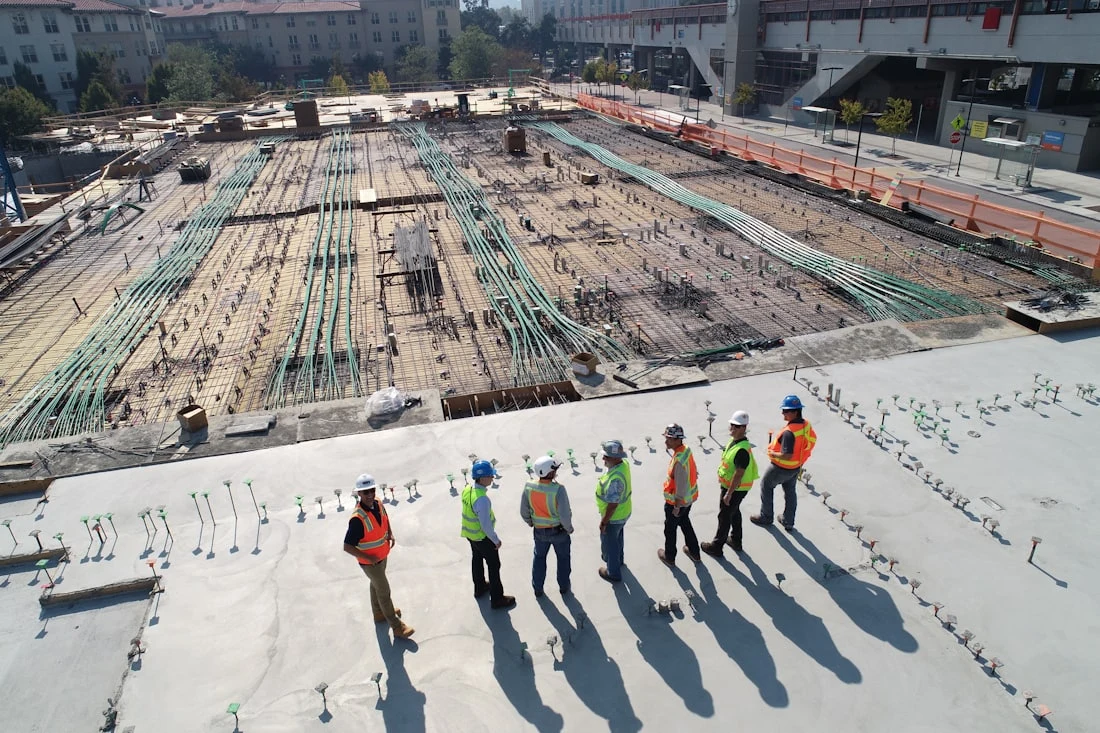
Aerial view of an active construction site
1 source of truth for office and site
The problem

Every job runs across four disconnected tools

The schedule is in one place, hours in another, materials on paper and costs in a spreadsheet built after the fact. Each is defensible on its own; together they make a simple question — how is this job going? — genuinely hard to answer.

The same data, typed twice

Information gets re-entered between systems, which costs time and quietly introduces errors.

Documents live in inboxes

Contracts, permits and drawings depend on whoever happened to receive them being available.

Status is a phone call

Progress reporting means ringing round, which means the picture is always a day old and partly opinion.

Tower crane silhouetted against the sky
Why closeout matters

A finished job holds the most valuable estimating data you will ever own — real hours, real consumption, real margin. Most firms lose it because it was never structured in the first place.

Estimate what it costs you →
0
systems to reconcile
3×
faster project review
100%
of work tied to a project
1
place documents live
In the product

The project is the container for everything

Crews, hours, materials, orders, machines and documents all attach to the job. Nothing needs assembling later because nothing was ever apart.

Scheduling connects people to the job before the day starts
Documents and drawings live on the project, not in an inbox
Closed jobs keep a searchable cost history for the next bid
Explore Scheduling →

A project, end to end

The same structure carries the job from the first crew on site to the final review.
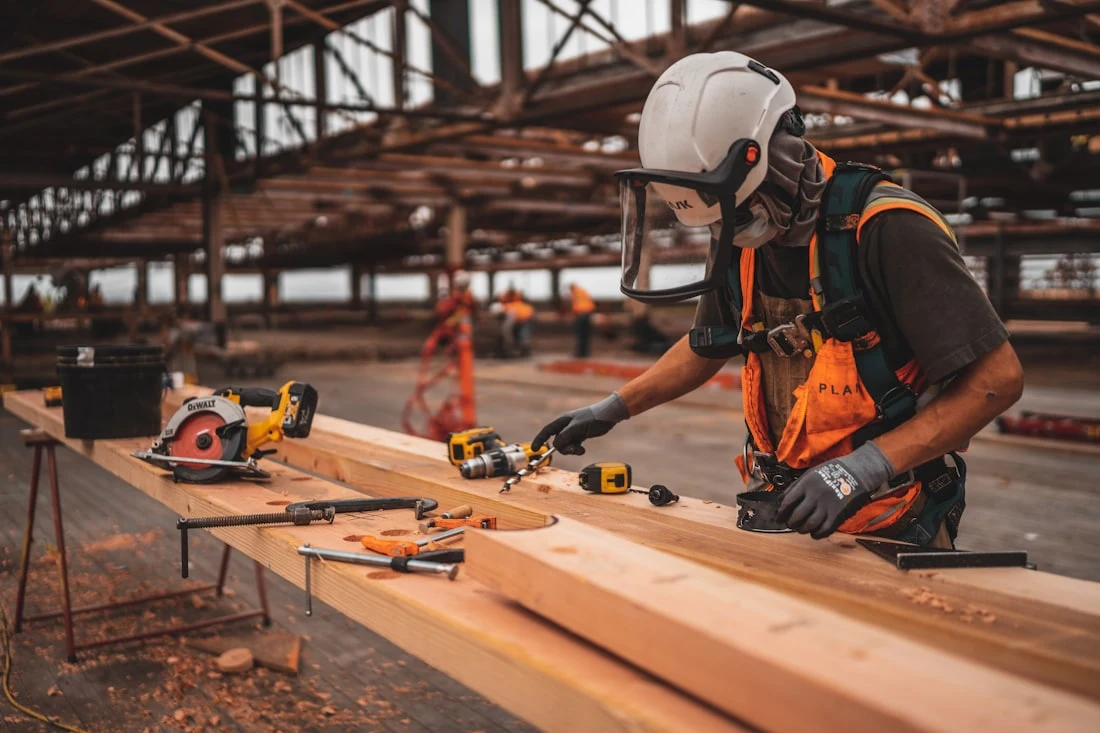
Carpenter cutting timber on a construction site
Kickoff

Create the job, set cost centres and budgets, and attach the contract and drawings in one place.

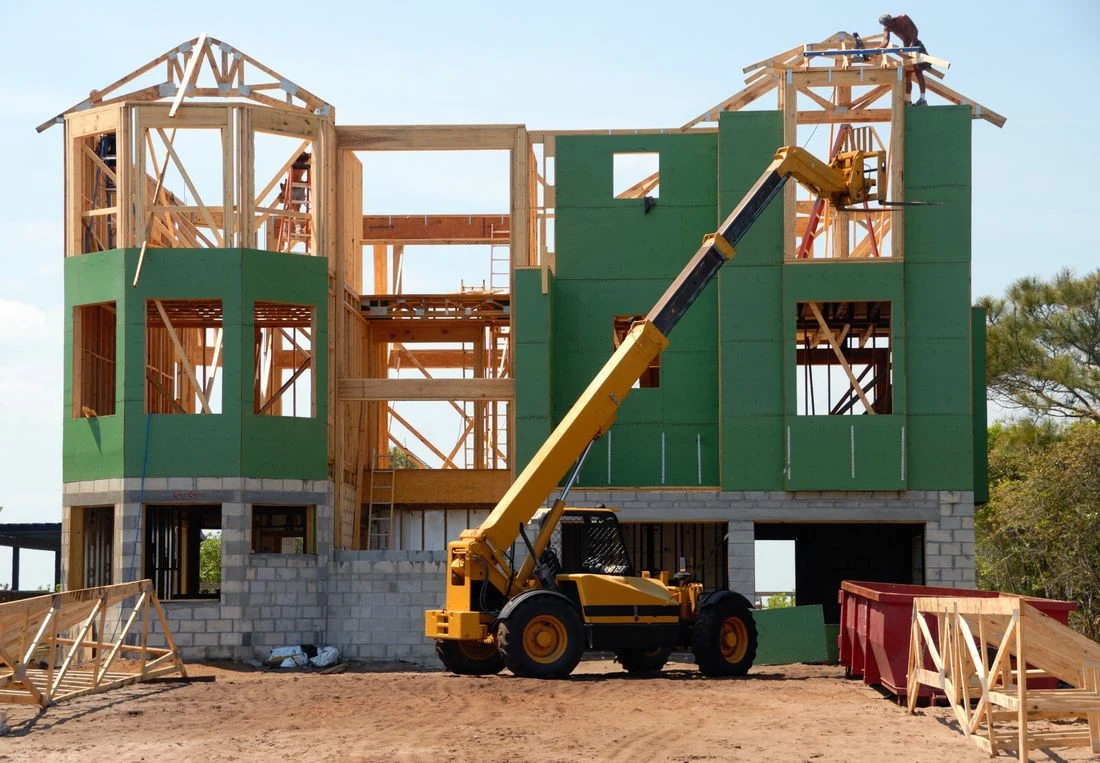
Timber-frame building under construction with a crane
Execution

Crews are assigned, hours logged and materials issued — all posting to the job automatically.

Rolled construction drawings on a workbench
Control

Budget against actuals every week, with committed cost included so nothing hides in open orders.

Worker laying screed on a construction floor
Closeout

Close the job with a full, searchable history of what it really took to build.

Run your next job on one system

Pilot it on a single live project before rolling it wider.

01
Set the job up

Project, cost centres, budget, responsible people and documents.

02
Assign the crews

Plan who works where, with availability and certificates checked.

03
Run the week

Hours and materials flow in from the field with no double entry.

04
Review and close

Act on variance early, then keep the cost history for the next estimate.

Running construction projects — FAQ

That is the approach we recommend. Set up one live job with its cost centres and crews, run it for a few weeks, then extend once the habit holds.
No. RelayPlan is the operational layer — what happens once the job is won. Many firms keep a specialist estimating or CAD tool alongside it.
Attached to the project and its cost centres — contracts, drawings, permits and site photos — so they stay available after the people who received them move on.
Because hours, material issues and schedules post as they happen, the current state of the job is visible without anyone reporting it separately.
It closes with its full cost history intact and searchable, which becomes the most reliable input for estimating the next similar job.
Most firms see cleaner hours and fewer material surprises within the first month, and a trustworthy cost picture once a full cycle of data exists.

Further reading

All articles →

Run your next project on one system.

Start free, set up a live job today, and see the difference by the end of the month.